
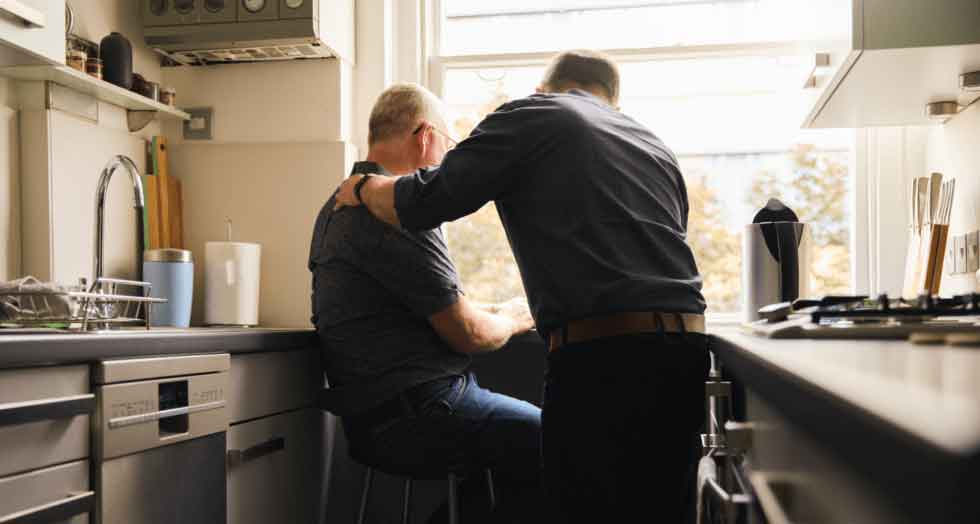
The distance that depression creates between partners is not a reflection of how much you care about each other. It is a symptom of the condition and affects both people in the relationship, not just the one with the diagnosis. Recognizing that distinction is often what allows couples to stop blaming and start working together. At Pacific Coast Therapy in Campbell and Santa Cruz, our therapists help couples do exactly that, with structured support designed for both the individual and the relationship.
What Does Depression Do to a Relationship?
Depression changes the emotional and behavioral patterns that hold a couple together. The condition affects your motivation, energy, and mood, reshaping how you and your partner interact.
Common relationship effects include:
- Emotional Withdrawal: The partner with depression may become less available or responsive.
- Reduced Intimacy: Low libido and low energy are recognized symptoms of depression, and both can lower physical and emotional closeness.
- Communication Breakdown: Depression often narrows how partners talk to each other.
- Caregiver Fatigue: The supporting partner often absorbs more than they recognize.
Naming these patterns as symptoms rather than as personal rejection changes how a couple responds to them. A partner who understands that withdrawal is part of the condition can meet it with support instead of blame. Depression rarely stays inside the couple either, and family therapy can help when the strain reaches children or the wider household.
For couples across the San Jose and Silicon Valley area, where demanding careers often leave little energy for the relational work depression requires, professional support can make the difference between drifting apart and staying connected.
Can Depression Make You Lose Feelings?
Depression can dull emotional responsiveness, which sometimes feels like lost love. The condition can flatten your brain’s capacity to experience pleasure and connection, anhedonia (the clinical term for the loss of ability to feel pleasure or emotional connection).
That numbness is a feature of the illness, not a verdict on the relationship. Understanding what depression actually looks like helps both partners separate the symptom from the bond. Many people who feel emotionally flat during a depressive episode reconnect with their partner once the depression is treated. The feelings are typically still present, even when depression makes them difficult to access.
Treating the depression directly, through individual depression therapy and appropriate clinical support, often restores the emotional range that makes closeness possible again. As depressive symptoms improve with treatment, emotional responsiveness typically returns with them.
Communicating When One Partner Is Depressed
Clear, low-pressure communication keeps a couple connected while one partner manages depression. The goal is honest exchange without blame or overwhelm.
Practical communication habits include:
- Open Dialogue: Share how you feel plainly, and let your partner do the same without rushing to fix it.
- Active Listening: Acknowledge your partner’s experience and validate the emotion before offering solutions.
- “I” Statements: Frame needs around yourself. “I feel worried when you go quiet” lands better than “You’re being distant.”
- Right Timing: Choose calmer moments for bigger conversations rather than during a low point.
These habits lower the emotional cost of talking, which matters most when energy is already scarce. Small, steady conversations protect the relationship better than rare, intense ones.
Supporting a Partner With Depression
Supporting a partner with depression means offering steady presence while protecting your own health. The supporting partner plays a real role, and that role has limits worth respecting.
Show Up Without Fixing Everything
You show up by offering presence rather than solutions. Depression is not a problem a partner can solve, and trying to fix it often adds pressure.
Small, consistent acts carry more weight than grand gestures. Make a favorite meal, sit together without an agenda, or help with one task your partner has been unable to manage. Encouraging professional care when the depression is persistent or severe is one of the most useful things a supporting partner can do.
Protect Your Own Wellbeing
You protect your wellbeing by keeping your own support system active. Supporting partners need care too, and neglecting that leads to burnout.
Stay connected to your friendships, routines, and interests instead of letting them dissolve into caretaking. The stress of supporting a depressed partner builds quietly, and many supporting partners also notice rising anxiety alongside the fatigue. Their own online therapy sessions provide a private space to process the strain. Caring for yourself is not selfish; it keeps you steady enough to keep showing up.
When Should You Set a Boundary?
You set a boundary when supporting your partner starts eroding your own health. Boundaries protect the relationship; they do not threaten it.
A boundary might mean stepping away from a conversation that turns hostile, or naming what you can and cannot carry on a given day. Clear limits keep resentment from building underneath the surface. A therapist can help both partners set boundaries that feel fair rather than punishing.
When Should a Couple Seek Help?
A couple should seek professional help when depression strains the relationship faster than they can repair it. Early support prevents small patterns from hardening into lasting distance.
Signs it is time to reach out include ongoing conflict, growing emotional distance, or one partner feeling depleted by the caretaking role. Depression that includes thoughts of self-harm always warrants immediate professional care. If you or your partner is experiencing thoughts of self-harm, call or text 988 to reach the Suicide and Crisis Lifeline, available 24 hours a day. Therapy gives both partners tools that self-help alone rarely provides.
Pacific Coast Therapy supports individuals and couples working through depression through in-person sessions in Campbell and Santa Cruz, along with online care across California and depression therapy serving the San Jose area and the broader Silicon Valley. Reach out to schedule a complimentary 15-minute consultation and get matched with a therapist who understands both the individual and relational side of depression.
Schedule your complimentary 15-minute consultation today.
FAQs
Is it normal for depression to affect my relationship?
Yes, depression commonly affects relationships. The condition changes mood, energy, and communication, which naturally shifts how partners connect. Recognizing these effects as symptoms rather than personal failings helps couples respond with support instead of blame.
Can a relationship survive one partner’s depression?
A relationship can survive and even strengthen through one partner’s depression. Couples who understand the condition, communicate openly, and seek treatment tend to stay connected. The depression itself is treatable, and the relationship often recovers alongside it.
How do I talk to my partner about their depression?
Choose a calm moment and lead with care rather than criticism. Share how you’re feeling and listen without rushing to fix anything. Framing the conversation around support keeps your partner from feeling judged.
Should I stay with a depressed partner?
This is a personal decision that depends on your relationship, your wellbeing, and your partner’s willingness to seek help. Many couples move through depressive episodes and come out stronger. A therapist can help you weigh the situation with clarity rather than guilt.
Can depression cause a breakup?
Depression can contribute to a breakup when its effects go unaddressed, though it does not have to. Untreated symptoms like withdrawal and lost intimacy strain a bond over time. Treatment and open communication often prevent that outcome.
How do I cope with my partner’s depression without burning out?
Keep your own support system, routines, and friendships active rather than pouring everything into caretaking. Consider your own therapy to process the strain privately. Protecting your wellbeing keeps you steady enough to support your partner.
Does couples therapy help when one partner has depression?
Couples therapy helps by giving both partners tools to communicate, set boundaries, and stay connected through depression. It works well alongside individual treatment for the depressed partner. Many couples find it keeps them aligned rather than drifting apart.
Lets Connect