
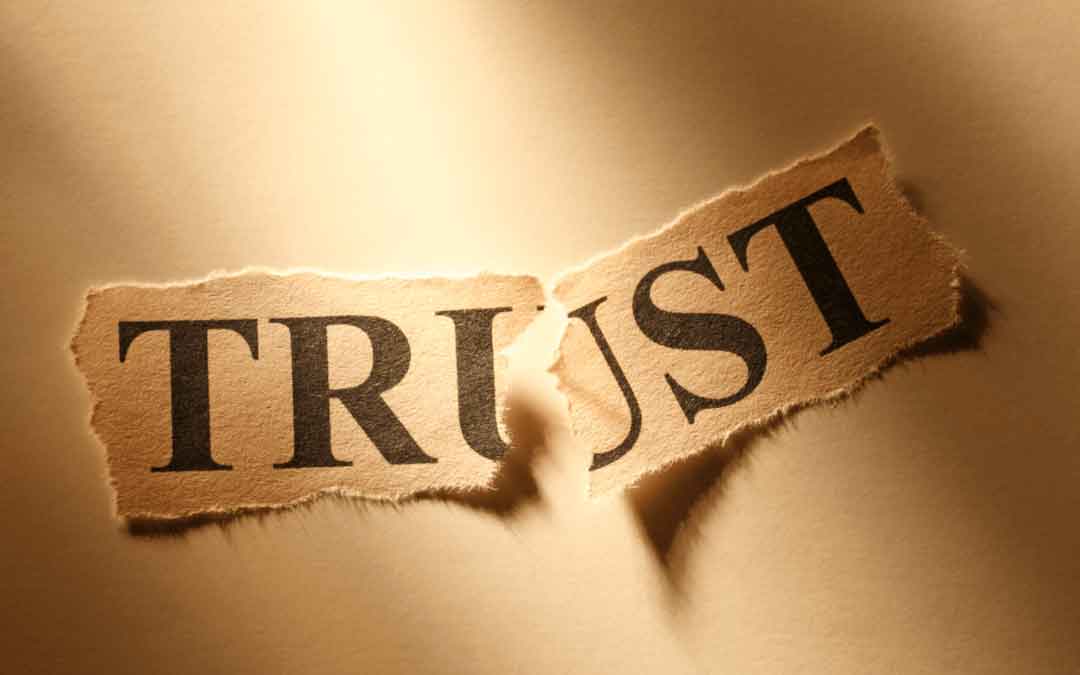
The discovery of an affair reshapes everything a relationship was built on. Trust, safety, and the shared understanding of who you are together can feel irreparably altered in a single moment.
Infidelity counseling at Pacific Coast Therapy gives both partners a structured space to process that rupture with a trained clinician who understands the weight of what has happened. Whether you are working toward repair or still deciding what comes next, therapy meets you where you are.
What Does Infidelity Do to a Relationship?
Discovering an affair often triggers a sharp emotional crisis. The betrayed partner may cycle through shock, rage, grief, and self-doubt in rapid succession. The unfaithful partner frequently carries their own weight of guilt, shame, and confusion about what to do next.
Each person is hurting, but in very different ways. Without a neutral, trained professional in the room, each partner’s pain tends to be expressed in ways the other cannot absorb. Attempts to work through it alone often escalate conflict rather than resolve it.
The emotional aftermath of an affair can closely resemble depression, including emotional withdrawal, chronic low motivation, disrupted sleep, and difficulty functioning day to day. Infidelity counseling addresses these symptoms while also doing the relational work that recovery requires.
For couples across Campbell, Santa Cruz, and the San Jose area, packed schedules and high-pressure careers often delay this conversation for months. Earlier intervention consistently produces better outcomes.
How Can Couples Therapy Help After Infidelity?
Recovering from infidelity requires more than goodwill. It takes a skilled therapist who can help a couple understand what happened, address its impact, and make intentional decisions about the future.
Restoring Open and Honest Communication
Infidelity frequently destroys the sense of safety that honest conversation requires. Each person may feel that any discussion could spiral into conflict, so important topics go entirely unaddressed.
A therapist introduces structure to those conversations, establishing guidelines that enable open dialogue. This includes learning to express needs without blame, listen without defensiveness, and stay regulated through difficult exchanges.
Rebuilding Trust Over Time
Trust does not return simply because one partner wants it to. It is rebuilt through consistent, verifiable behavior, and that process takes longer than most people expect.
Therapy translates rebuilding into concrete, trackable actions. This might include transparency commitments, behavioral consistency agreements, or specific changes the betrayed partner has identified as personally meaningful.
Processing Grief and Emotional Pain
The betrayed partner is mourning the version of the relationship they believed they had. That loss is real, and it explains why the reaction so often resembles bereavement rather than simple anger. Intrusive images, hypervigilance, and difficulty concentrating are common trauma responses in the months following disclosure.
The unfaithful partner also benefits from working through guilt, shame, and any deeper emotional patterns that contributed to the affair. Therapy gives each person space to address those feelings before they become internalized and resurface as resentment.
Reestablishing Emotional and Physical Intimacy
Physical closeness often becomes complicated after infidelity, charged with feelings of rejection, comparison, and insecurity. Rebuilding that dimension of the relationship requires intentionality and careful pacing.
Therapy supports couples in approaching intimacy at a pace that feels safe for each person. This includes identifying what each partner needs to feel emotionally secure again and working through the attachment wounds, meaning the deep emotional injuries to the sense of safety and trust between partners, that infidelity tends to expose.
Creating a Foundation for Long-Term Stability
Couples who recover from infidelity rarely return to exactly who they were before. The work often surfaces unaddressed relational patterns, gaps in communication, or unmet needs that created vulnerability in the relationship.
Therapy helps a couple examine those underlying factors without assigning blame. The goal is a shared understanding of the full picture, which creates the conditions for a more honest and stable relationship going forward.
What Therapy Approaches Help Couples Recover from Infidelity?
Affair recovery is not a matter of goodwill alone. It requires specific clinical frameworks built for the particular kind of rupture that betrayal creates, and our therapists draw on several evidence-based therapeutic approaches depending on what a couple presents with.
- Emotionally Focused Therapy (EFT): Developed by Dr. Sue Johnson, EFT’s attachment injury repair model is the most researched framework for infidelity recovery. It identifies how betrayal disrupts the emotional bond between partners, then guides them through a structured repair conversation. That conversation reaches the vulnerable feelings sitting underneath the anger and defensiveness.
- Gottman Method: Dr. John Gottman’s Trust Revival Method was designed specifically for post-affair recovery and moves through three phases. Atone asks the unfaithful partner to take full responsibility while the betrayed partner’s pain is genuinely witnessed. Attune rebuilds daily emotional connection through structured exercises, and Attach creates a new shared narrative for the relationship going forward.
- EMDR for Betrayal Trauma: For betrayed partners experiencing intrusive images, hypervigilance, or other trauma responses, EMDR can reduce the intensity of those reactions. Eye Movement Desensitization and Reprocessing works on how distressing memories are stored, which allows the relational work to proceed without constant emotional flooding.
- Individual Therapy Alongside Couples Work: PCT often recommends concurrent individual sessions. The betrayed partner may need dedicated space to address trauma responses. The unfaithful partner may need to explore the personal patterns that led to the affair, and both streams strengthen the couples work.
The right combination depends on where you are as a couple, and your therapist will guide that decision after the first few sessions.
Start Couples Therapy at Pacific Coast Therapy
Our team at Pacific Coast Therapy serves couples across Campbell, Santa Cruz, and the San Jose area, with online sessions available throughout California. We work with all relationship structures and welcome every couple who walks through the door.
Getting started is straightforward: schedule a complimentary 15-minute consultation, get matched with the right therapist, and begin the work of healing together.
FAQs
Does couples therapy after infidelity actually work?
Research shows that many couples recover from infidelity when each person is genuinely committed to the work and supported by a qualified therapist. Outcomes vary based on the circumstances, the nature of the breach, and how engaged the couple is in the work. Recovery is achievable for many couples who choose to show up consistently.
How long does couples therapy take after infidelity?
Most couples working through infidelity engage in therapy over an extended period, often spanning several months or longer, depending on the severity of the situation and the underlying relational patterns involved. The work typically includes an initial crisis phase, a trust-rebuilding phase, and a longer-term relational restructuring phase. Some couples continue beyond that timeframe to sustain and deepen their progress.
Is couples therapy right for us if we are not sure we want to stay together?
Couples therapy is appropriate even when partners are uncertain about staying in the relationship. The work helps each person understand what happened, gain clarity about what they want, and make decisions from a grounded place rather than a reactive one. Therapy can support repair and, when necessary, a constructive and respectful separation.
What if the unfaithful partner is not remorseful?
A lack of genuine remorse makes recovery more difficult, but it does not automatically mean therapy has no value. A skilled therapist can explore what underlies that absence of remorse and assess whether there is a realistic foundation for repair. If sessions reveal that the couple is not aligned on rebuilding, the therapist can help facilitate a clear-eyed and dignified transition forward.
What happens in a couples therapy session after infidelity?
Sessions typically combine guided discussion, communication skill-building, and focused work on the emotional wounds each person is carrying. A therapist may also assign reflective exercises between sessions to keep the couple engaged in the work outside of the office. Each session is tailored to where the couple is in their recovery at that specific point in time.
Can therapy help if infidelity has happened more than once?
Repeated infidelity introduces additional layers of complexity, including entrenched behavioral patterns that may require both individual and couples-level work. Therapy can still be effective, but the process typically involves a more thorough examination of relational dynamics and personal accountability. A therapist will help assess the appropriate level of support based on the full clinical picture.
Should we do individual therapy alongside couples therapy?
Individual therapy is frequently recommended as a complement to couples therapy after infidelity. The betrayed partner may benefit from dedicated support to address trauma responses, while the unfaithful partner may benefit from exploring the personal factors that contributed to their choices. Both forms of support can accelerate and deepen the work done in joint sessions.
Lets Connect